CCUS 101
Discover how 7-Green Services advances carbon capture, transport, and storage technologies to reduce emissions and support sustainable energy solutions.
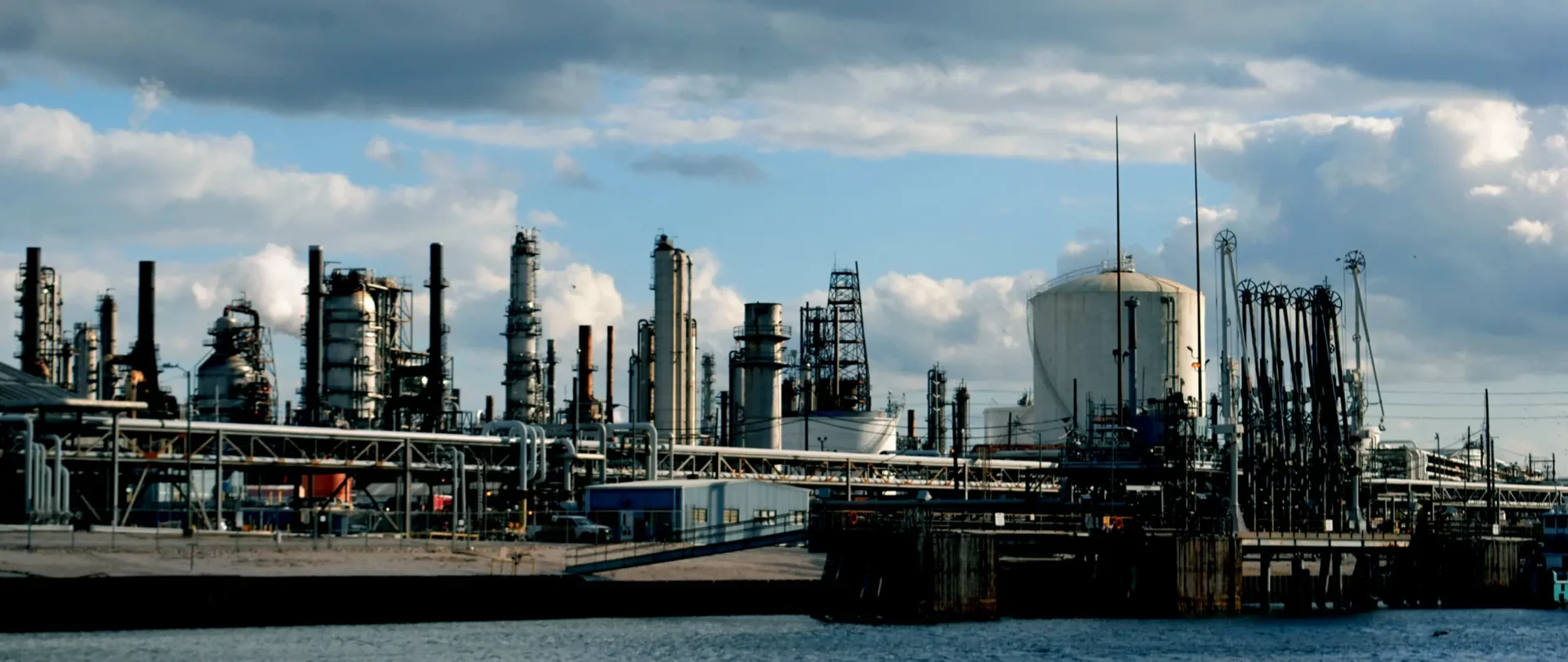

Discover how 7-Green Services advances carbon capture, transport, and storage technologies to reduce emissions and support sustainable energy solutions.
The Inflation Reduction Act significantly boosts carbon capture efforts by increasing tax credits for carbon dioxide sequestration projects, making them more financially viable. It raises the credit for capturing CO2 from industrial and power facilities to $85 per metric ton for storage and $60 for utilization in products like fuels or concrete. This support aims to accelerate the adoption of carbon capture technologies, reducing emissions from heavy industries and advancing the U.S. toward its climate goals.
Pipelines are the backbone of carbon transport in CCUS systems, offering the most efficient and cost-effective way to move CO2 from capture sites to storage or utilization facilities. High-pressure pipelines ensure safe transport over long distances, connecting industrial hubs to geological storage or reuse sites. Expanding this infrastructure is critical for scaling CCUS, enabling regional carbon networks that reduce costs and integrate multiple sources and storage locations.
Carbon storage and sequestration involve capturing CO2 and storing it in deep geological formations like saline aquifers or depleted oil fields. Natural seals trap the CO2 long-term, preventing its release into the atmosphere. This process is essential for reducing emissions from hard-to-abate sectors and supports global climate goals by mitigating greenhouse gas concentrations.